Stacy Park
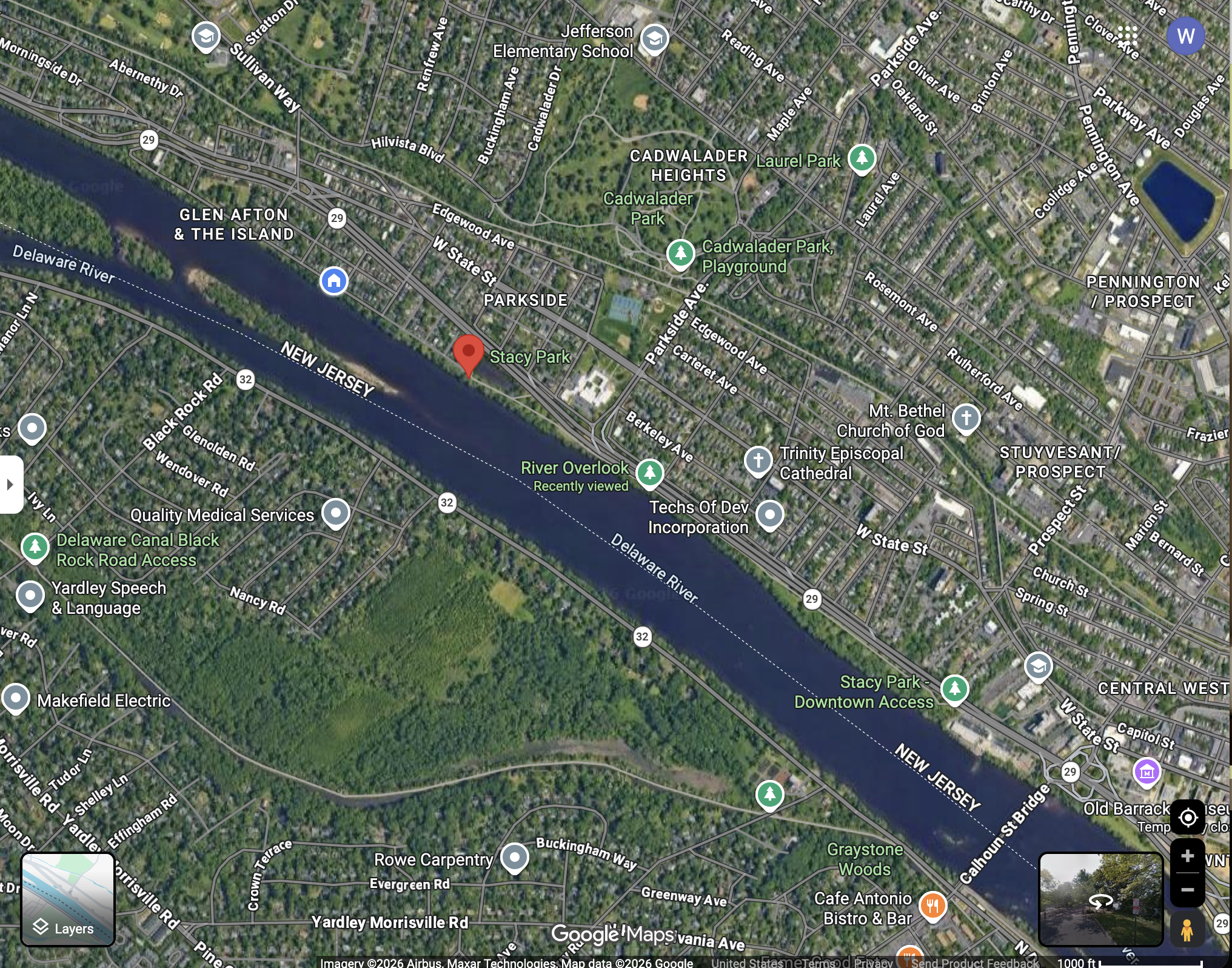
Stacy Park Map
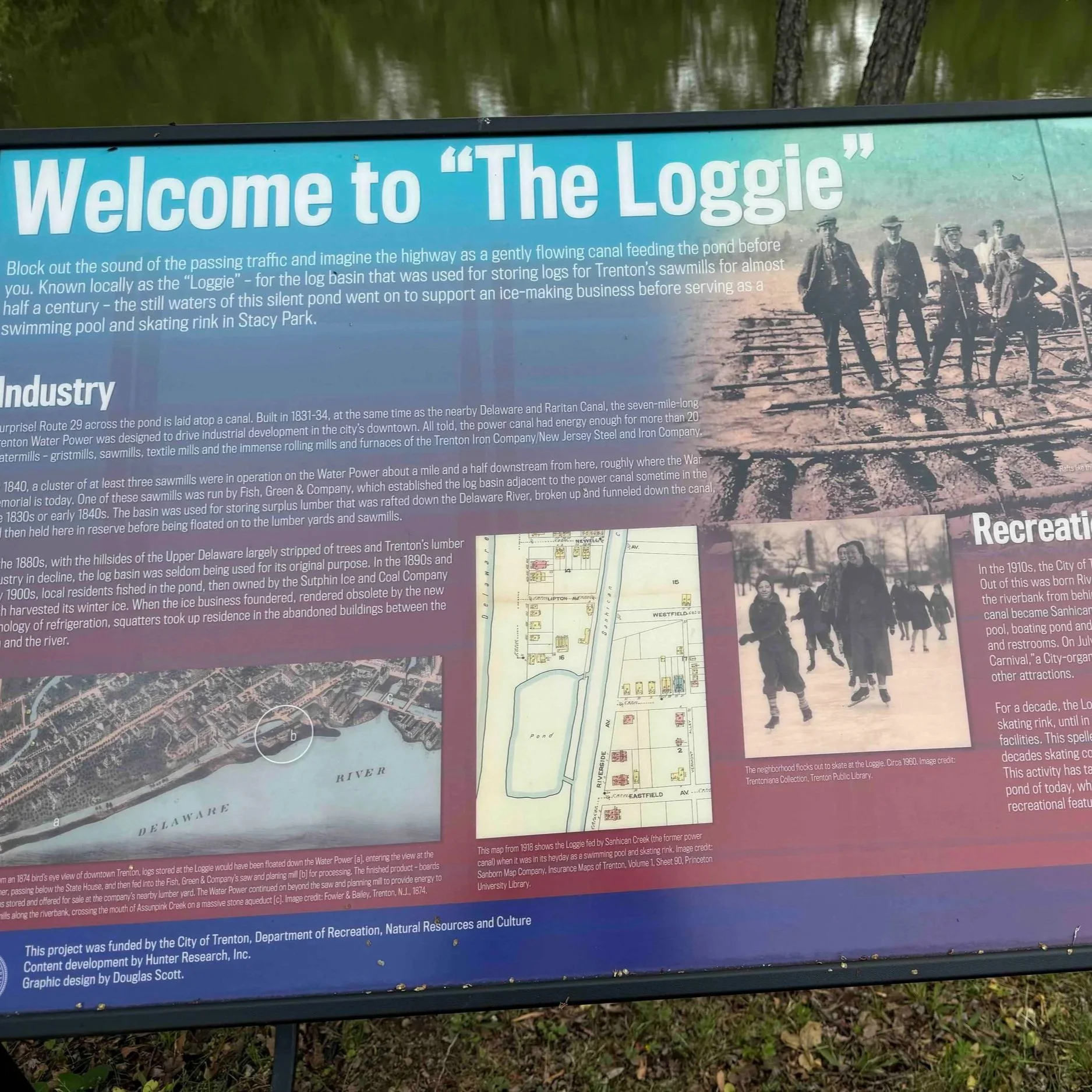
Stacy Park History
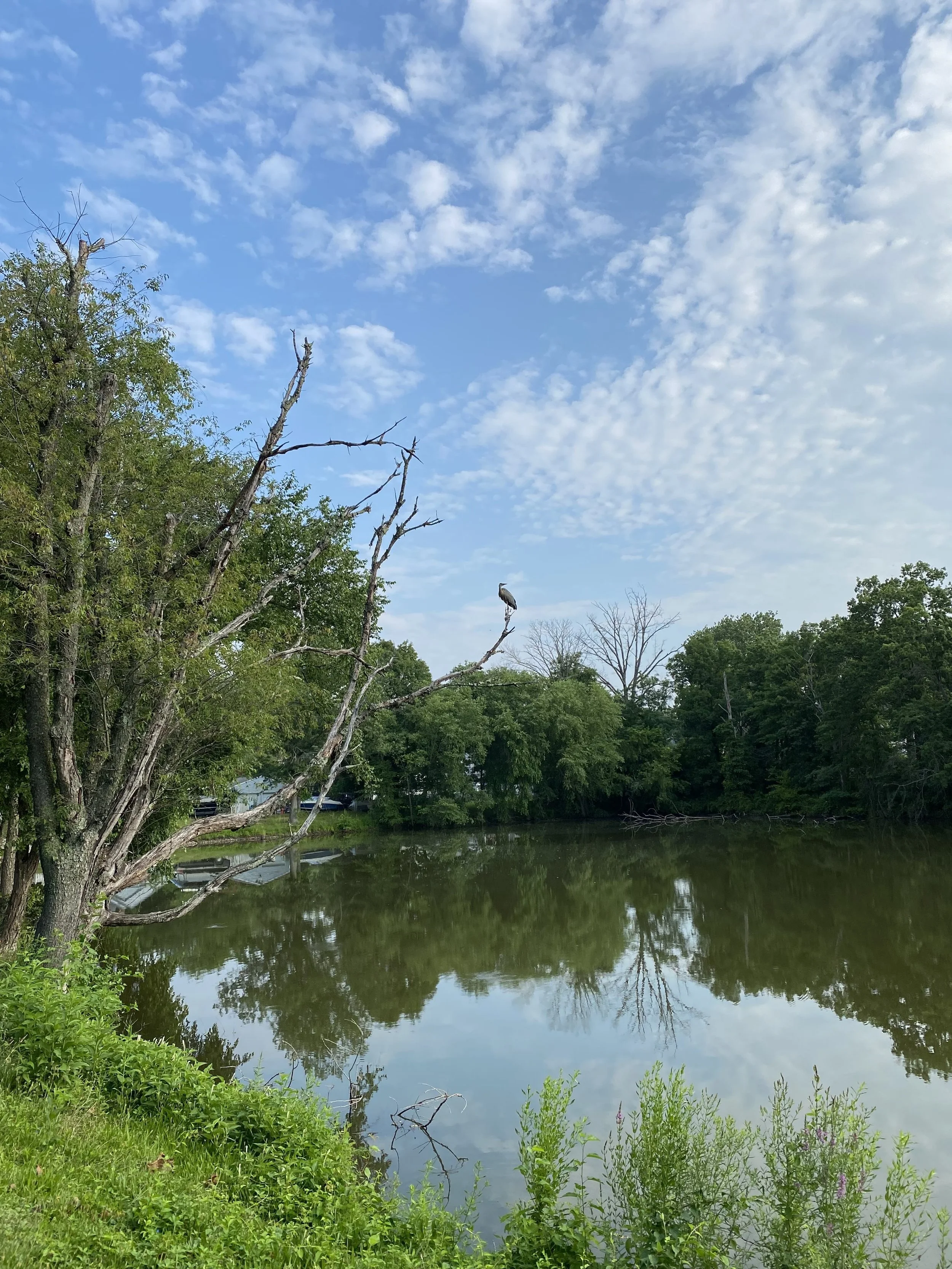
Stacy Park Ecology
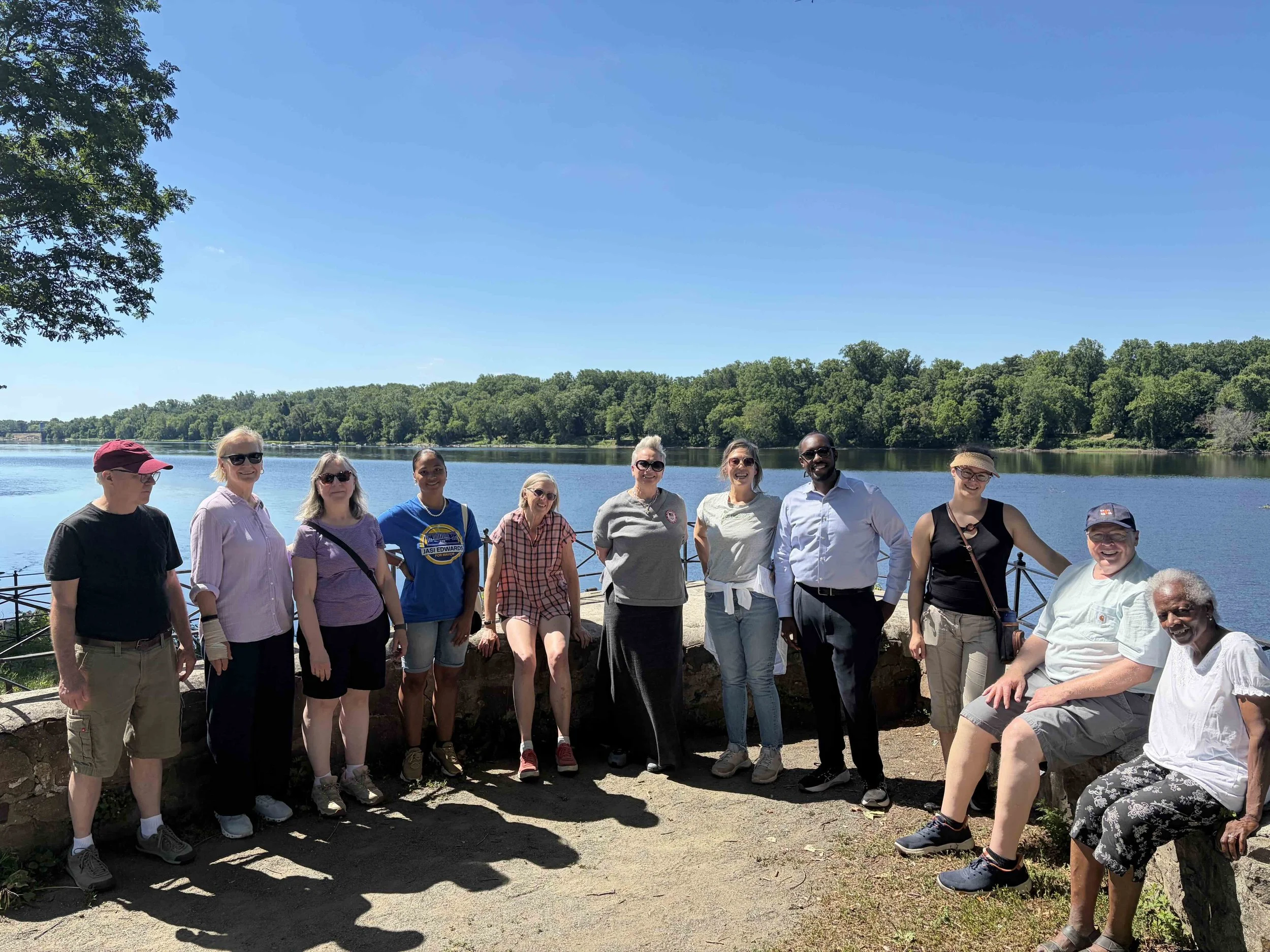
Stacy Park today
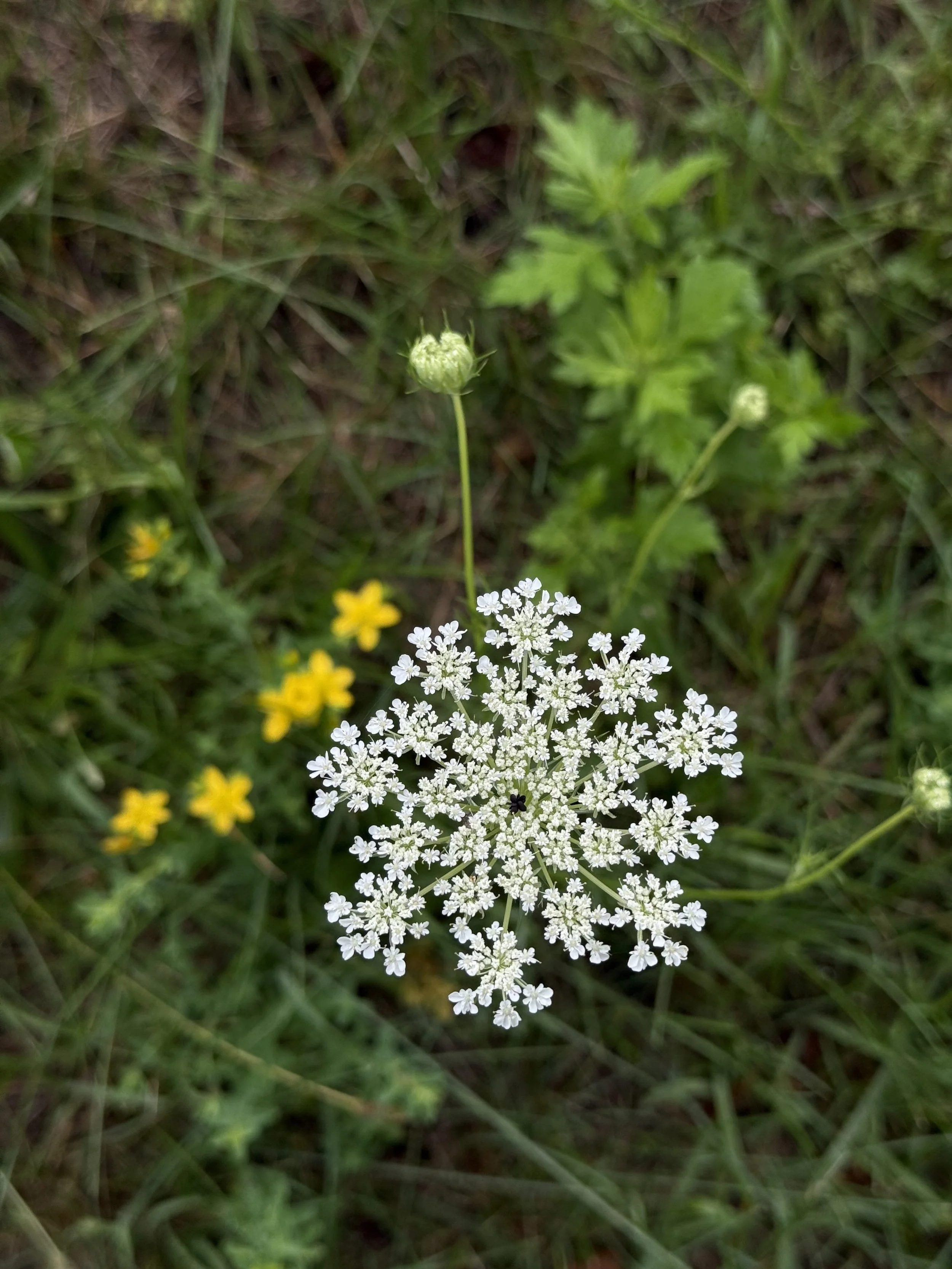
Stacy Park Plant Profiles
Follow us on Instagram!
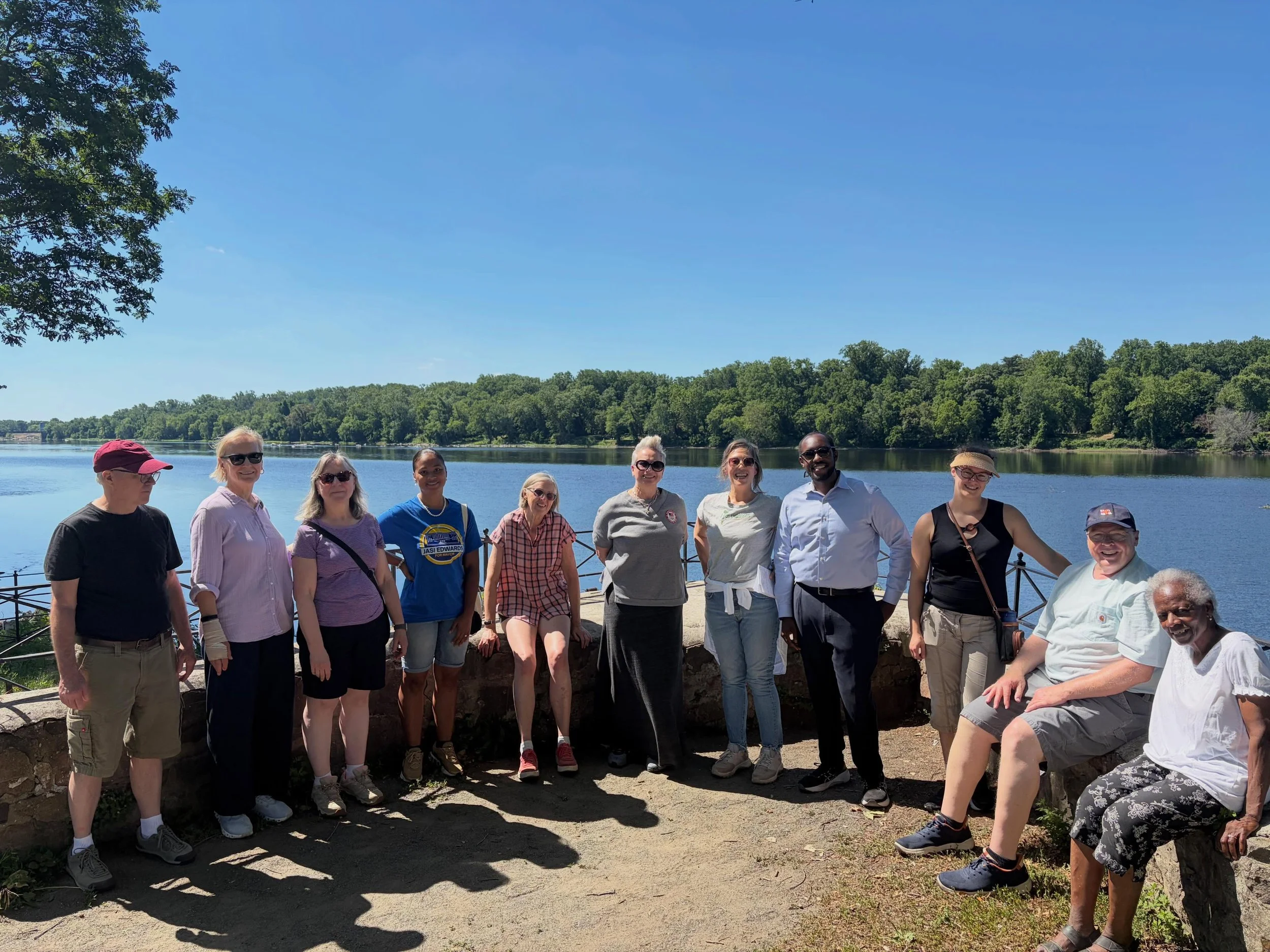
Stacy Park today
-
Leni Lenape: “original people”
Lenapewhittuk: “rapid river of the Lenape”Lenapehoking: traditional, ancestral homelands of the Indigenous Lenape people
The land that is now known as Stacy Park is believed to be a seasonal Lenape campground. -
Thomas West, 3rd Baron De La Warr was an English colonial administrator who saved Jamestown, Virginia from abandonment in 1610. He served as the colony's first governor and captain-general, and his name was eventually given to the Delaware River, Bay, and U.S. statescription text goes here
Mahlon Stacy: A Quaker immigrant from England who came to the area then known as West Jersey in 1679 and purchased about 3,500 acres that includes the land where the city of Trenton and Stacy Park are located. This area was referred to as “The Falls of Delaware” referencing the rapids that sit upstream from the tidal portion of the river.
History of the Fallsvia Trenton Historical Society
-
William Trent: In 1719, on land purchased from the Stacy family, Trent built a country house below the falls of the Delaware River in central New Jersey. He platted a town or settlement around his house, which came to be known as Trent's Town, and later Trenton.
The Trent House sits at what would have been considered the southern end of the original Stacy Park.
Douglass House: served as George Washington's headquarters prior to the Battle of Princeton on January 3, 1777.[3] Listed as the Bright–Douglass House, it was documented by the Historic American Buildings Survey in 1936, when the house was located in Mahlon Stacy Park near the Delaware River.[4]
Stacy Park History
-
Description text goes here
-
Description text goes here
-
Description text goes here
-
Description text goes here
-
Description text goes here
-
Description text goes here
Stacy Park Ecology
“The lower Delaware River possesses a great diversity of significant resources. A high density of population and recreational opportunities combine with a wealth of natural, cultural, and historic features of national significance. The river valley contains habitats that do not occur elsewhere in the region. For example, there are sheer cliffs that rise 400 feet above the river. Southern facing cliffs are desert-like and home to prickly pear cactus. North-facing cliffs exhibit flora and fauna usually found only in arctic-alpine climates. The river itself provides habitat for American shad, striped bass, and river herring. The river is an important component of the Atlantic Flyway, one of four major waterfowl routes in North America. From an historic viewpoint, the river is one of the most significant corridors in the nation. The corridor contains buildings used during Washington's famous crossing, historic navigation canals, Native American and colonial era archaeological sites, and mills.” -National Wild and Scenic Rivers
To Learn more: fws.gov/rivers/river/delaware-lower
“The upper Delaware was an obvious choice as one of America’s first Wild and Scenic Rivers. Since 1978, the 73 miles downstream from the confluence of the East and West branches cascading out of the Catskill Mountains have been formally recognized for their natural appeal and recreation value. Undammed for the entire 330 miles of its main stem, the free-flowing character of the upper Delaware provides exceptionally clean water and superior ecological integrity that hosts wildlife in abundance. Mink, muskrat, beavers, white-tailed deer, wild turkeys, owls, bobcats, and otters all call the river valley home.
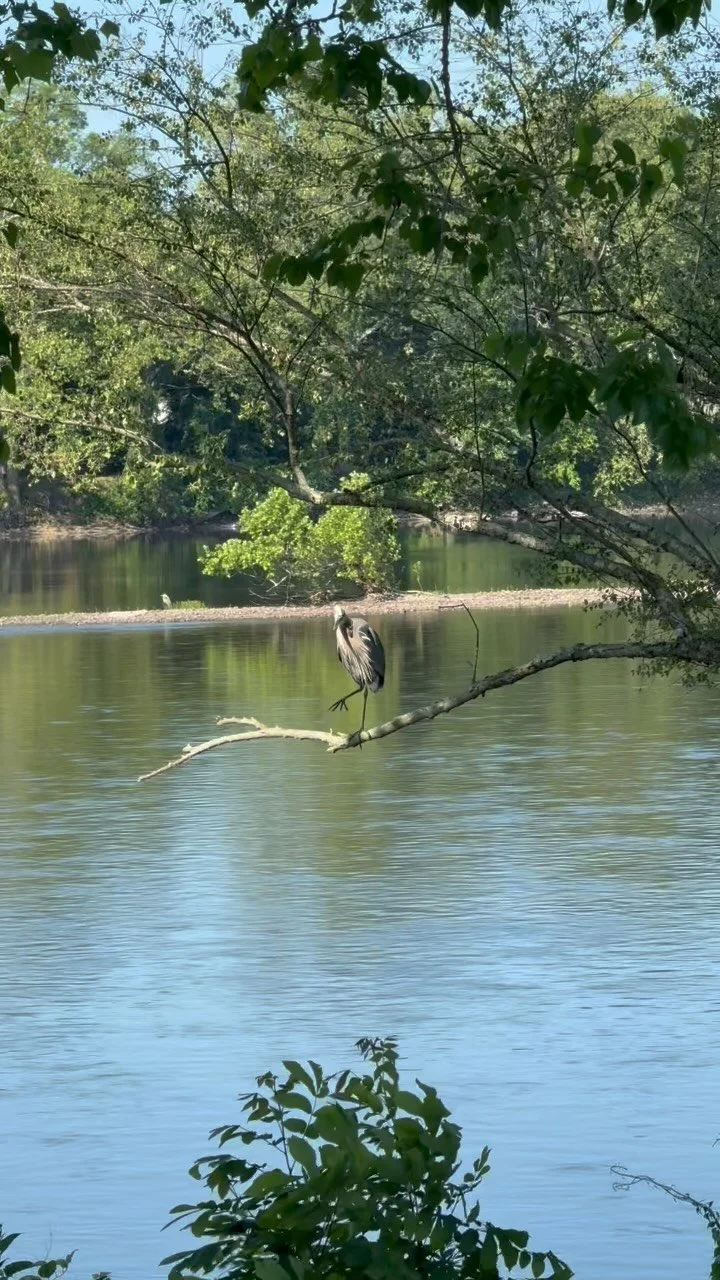
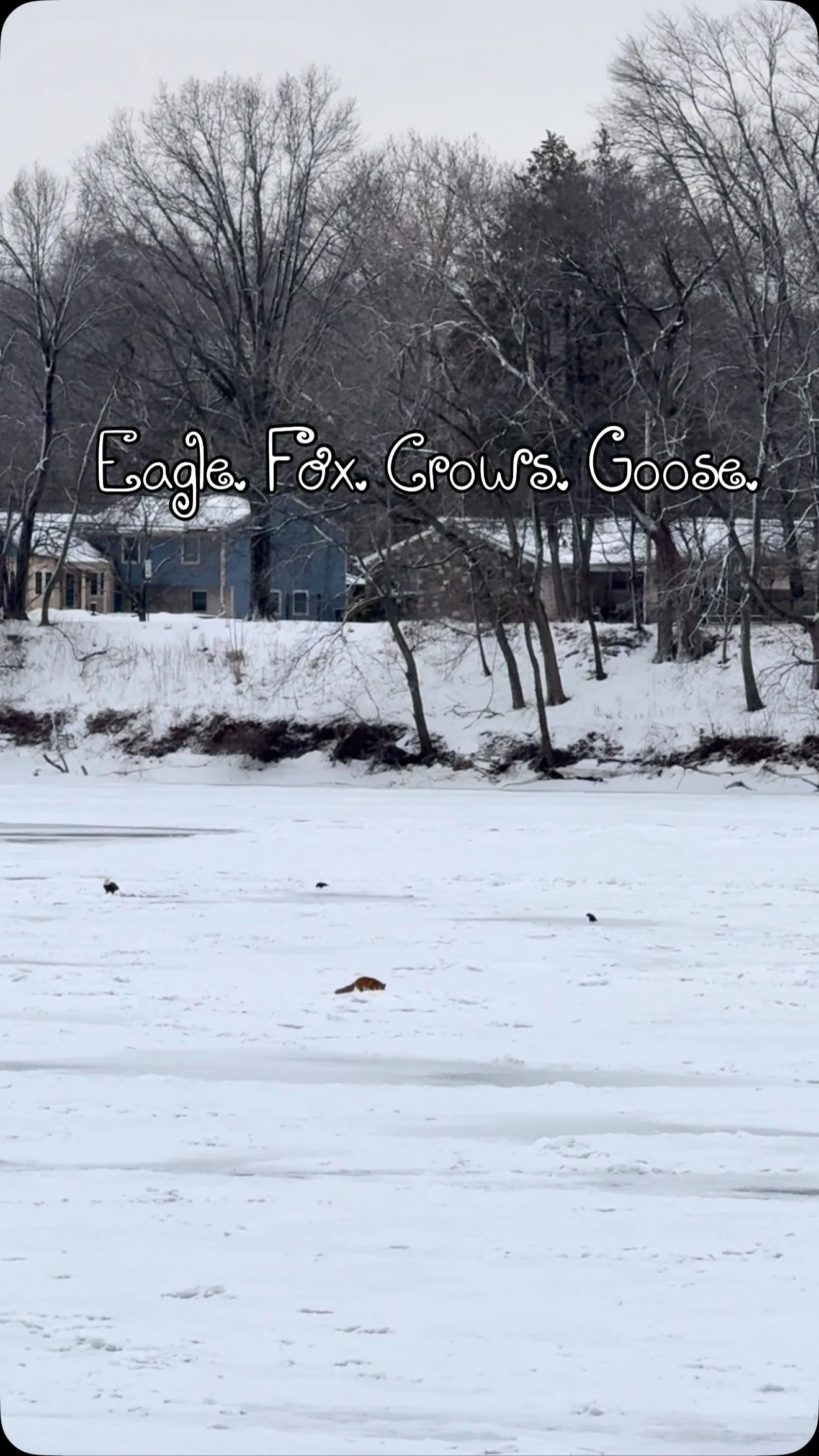
More than 200 avian species along the Atlantic Flyway rely on the upper Delaware, and the watershed hosts one of the largest populations of wintering bald eagles in the northeast. Great blue herons can sometimes be seen hunting American shad that travel unobstructed between the upper reaches of the river and the Atlantic Ocean. The urban Delaware River is home to globally rare freshwater tidal marshes and the nation’s first Urban National Wildlife Refuge and the Delaware Bay boasts the largest breeding population of horseshoe crabs in the world.” - AmericanRivers.org
To Learn More: https://www.americanrivers.org/river/delaware-river/